Estimated time30 minutes
Reparations aren’t just about money. They can take many forms, including public acknowledgment, correcting the narrative, rehabilitation, and institutional reform that protects against the same harms happening again.
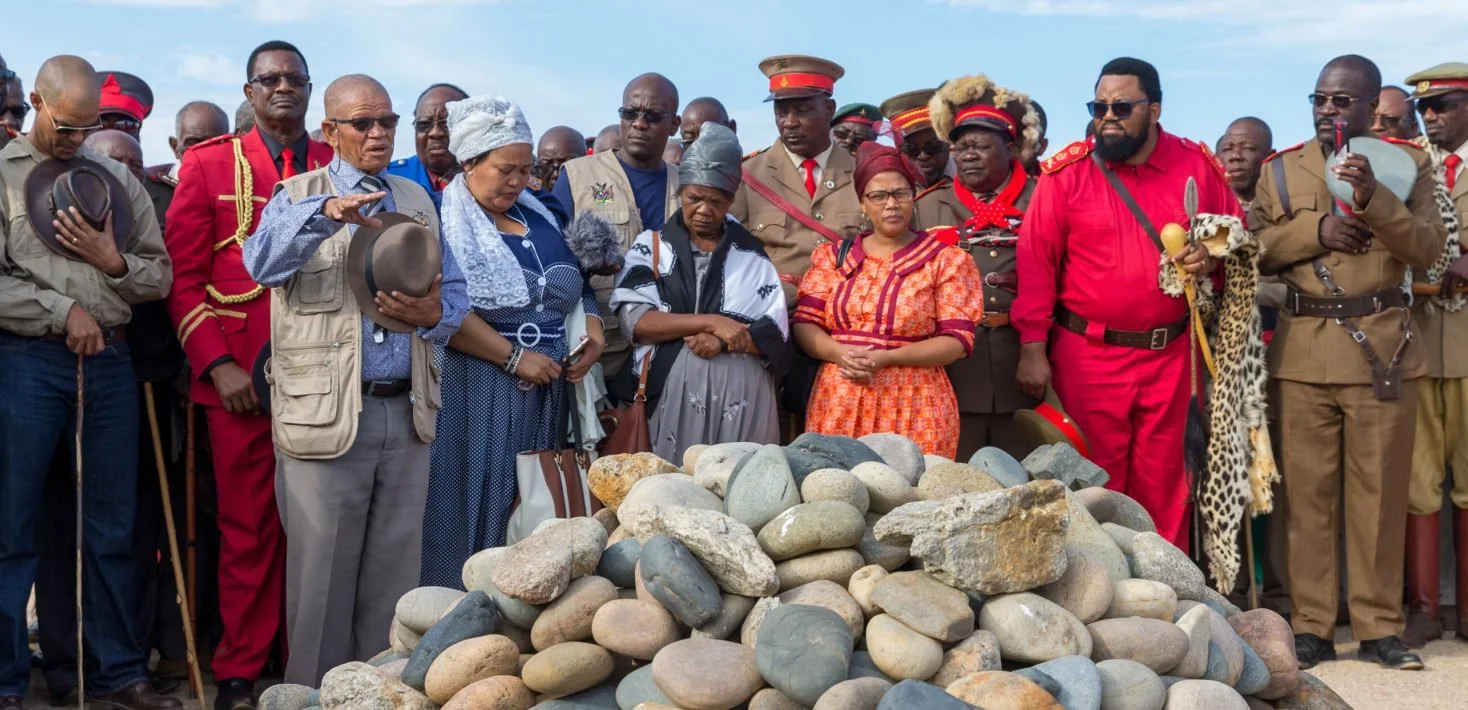
This article explores why reparations for slavery and colonialism remain relevant today. While these systems may seem distant, many of their effects are not.
The inequalities, stereotypes, wealth disparities, and social structures created during those periods continue to shape our racial landscape today.
Read the article on amnesty.org
One of the central ideas in this piece is that slavery and colonialism are not simply historical events. Their legacies persist in present-day systems of inequality and discrimination. As the article notes, "we are still living in its long shadow."
As you read, reflect on these questions:
What responsibilities do governments, institutions, and communities have when the effects of past harms are still felt today?
Why do some forms of repair feel easier to discuss than others?
What would meaningful repair look like for harms that have compounded over generations?
Repair is not only about addressing the past. It’s also about correcting our structures so we can build the future we want.