► This is how we build a better worldis the
004
Pillar No.Repair
Future
What we do today is felt tomorrow
Valuing reparations► History informs the presentAddressing past wrongs creates a better future for everyone
History shapes the reality we experience today. By reckoning with what was broken in the past, we build a stronger foundation for generations to come.
For 250 years, the US has enslaved, segregated, violently attacked, disproportionately incarcerated, and discriminated against Black people. This treatment continues to hurt Black communities and our larger society. Our country has never fully addressed its wrongs.
But it’s not too late to repair, and we know how.
► Why we repairValues rooted in safety, care, and community
The north star that guides us is simple: when harm happens, repair heals. This process of repair is what moves people, institutions, and governments to make amends and commit to doing better—for the benefit of not just those involved, but every single one of us.
01
We seek truth by fully understanding the history that shaped us and the harms that still shape our present.
02
We acknowledge harm, tell the truth, and create the conditions for healing to begin.
03
We turn recognition into action by taking accountability and working to prevent harm from happening again.
04
We pursue repair through restoration, justice, and meaningful investments that help communities heal and thrive.
► What are reparations?A blueprint to healing our society
Repair isn’t just for personal relationships. It can also happen on the structural level—with systems, laws and social norms that ensure everyone can live a life where harm is repaired when it happens.
Reparations are more than just financial. They’re policies and actions that ensure our country operates as a multi-racial democracy that truly allows equal participation and justice for all.
Our government has an responsibility to right the harms of slavery that it created and enabled. These harms impact Black communities and society as a whole.
From landing on the moon to developing lifesaving vaccines, we have experience doing what many have once thought to be impossible. So while reparations may seem complex, we know they are possible, and are an essential path to healing for not just Black communities—but all people in the United States.
► Past successesReparations are possible—because they’ve been done before
-
![Protest march with people holding flags and a banner, on a road lined with trees, under overcast skies.]()
A pathway towards national healing
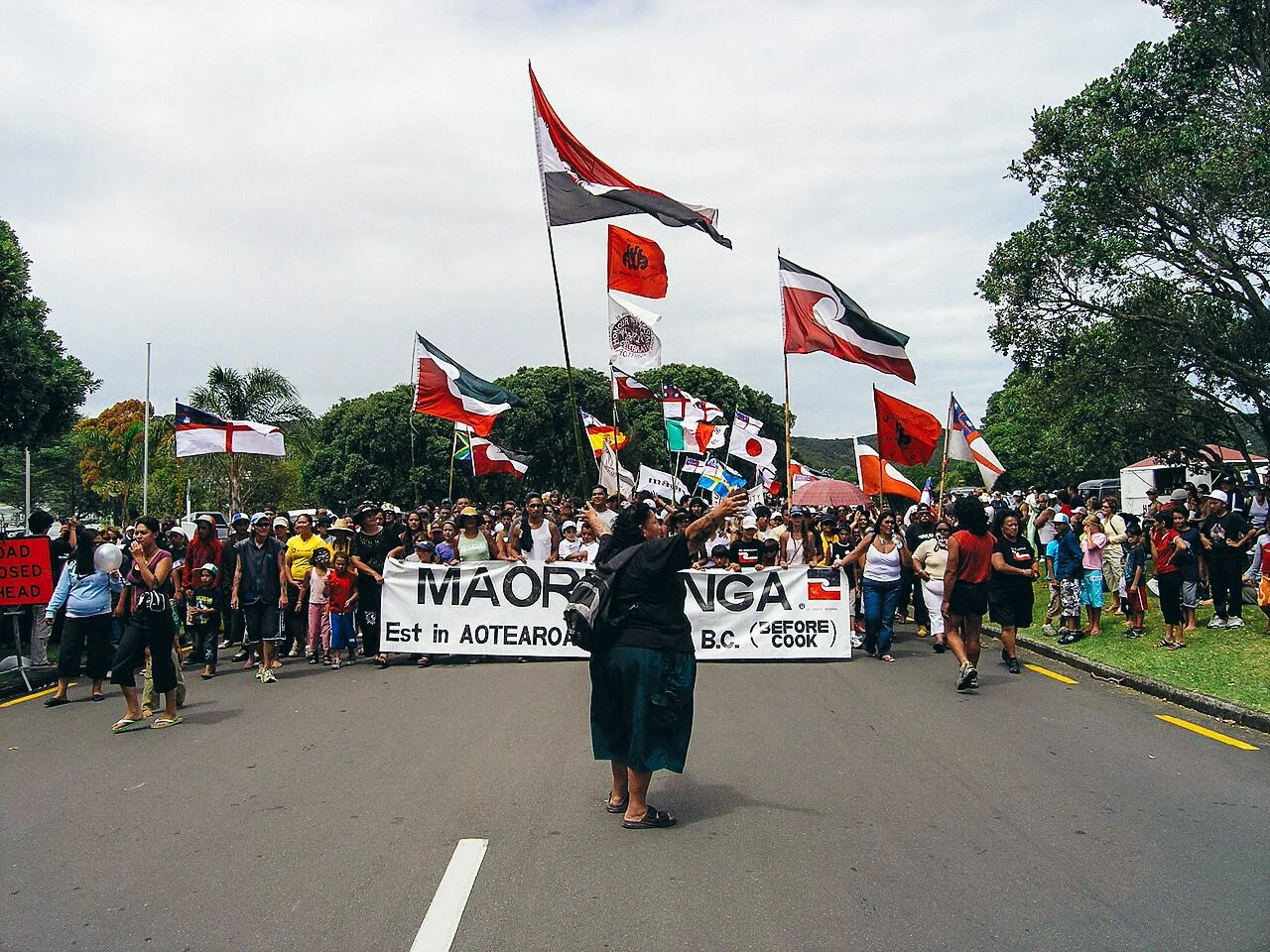
01—An example from New Zealand
Māori reparations efforts in New Zealand show us that repair can include land, resources, and cultural restoration.
Since the 1800s, the Māori people of Aotearoa (New Zealand) have fought for accountability after repeated violations of the Treaty of Waitangi led to the loss of land, wealth, language, and autonomy. After decades of advocacy, New Zealand established the Waitangi Tribunal in 1975 to investigate harms and support reparations. Since then, more than 80 settlements totaling $2.6 billion have been returned to Māori communities, alongside investments in language, culture, and Māori-led leadership to help rebuild what was taken.
-
![A stone monument with an inscription in Spanish, located in a park surrounded by trimmed bushes, trees, and a fountain with a metal fence. In the background, there are people walking, street lamps, and a prominent equestrian statue of a man on a horse with a spire and church-like building behind it.]()
Repair after political violence is possible
02—An example from Peru
Peru’s efforts to reckon with decades of violence show us that repair after deep national harm can begin with truth-telling, accountability, and support for those most impacted.
From 1980–2000, Peru experienced a violent internal conflict that left nearly 70,000 people dead or disappeared, with Indigenous and rural communities disproportionately harmed. In the years that followed, Peru established a Truth and Reconciliation Commission to document the violence, publicly acknowledge harm, and identify victims. The country later created a reparations program that provided financial compensation, community investments, and ongoing access to support services for survivors and affected families—showing that even after immense harm, nations can take steps toward repair.
-
![A group of diverse women holding up posters with portraits and writing, participating in a protest or demonstration in an urban area.]()
A pathway towards national healing
03—An example from Chile
Reparation efforts in Chile show us that repair for immense harms caused by government-sanctioned violence is possible on a nationwide scale.
From 1973-1990, General Pinochet’s military dictatorship detained, tortured, and executed hundreds of Chileans. Following years of silence and deception, efforts for repair finally began in the 21st century. This has led to Chile’s public recognition of its violent past—and comprehensive efforts to provide victims and their beneficiaries access to medical care, social services, and psychological counseling.


The past, far from disappearing or lying down and being quiet, has an embarrassing and persistent way of returning and haunting us unless it has in fact been dealt with adequately.
Desmond Tutu
South African Anglican bishop human rights activist writing in his book No Future Without Forgiveness
► Examples of reparations at workThe path forward is simple—but won’t be easy
-
Understanding the what, who, how, and why of actions that have contributed to harm.
-
Publicly admitting that harm has been done.
-
Ownership and commitment to take action, stop and repair harm.
-
Acts of restitution, financial compensation, and rehabilitation, proactive steps taken to embed racial justice into systems and “heal the wound”.
► Explore other topicsWhat needs repair in your life?
The actions we take in our day to day lives reflect the type of person we are, but they don’t limit who we can be. When we genuinely practice living out our values, we’re showing that it’s possible for our country to do the same.
It feels good to heal
Getting hurt is a natural part of life. But finding closure, owning up to our mistakes, and becoming the person we have the capacity to be? That’s a choice we get to make.
Repair is Personal
Repair is Love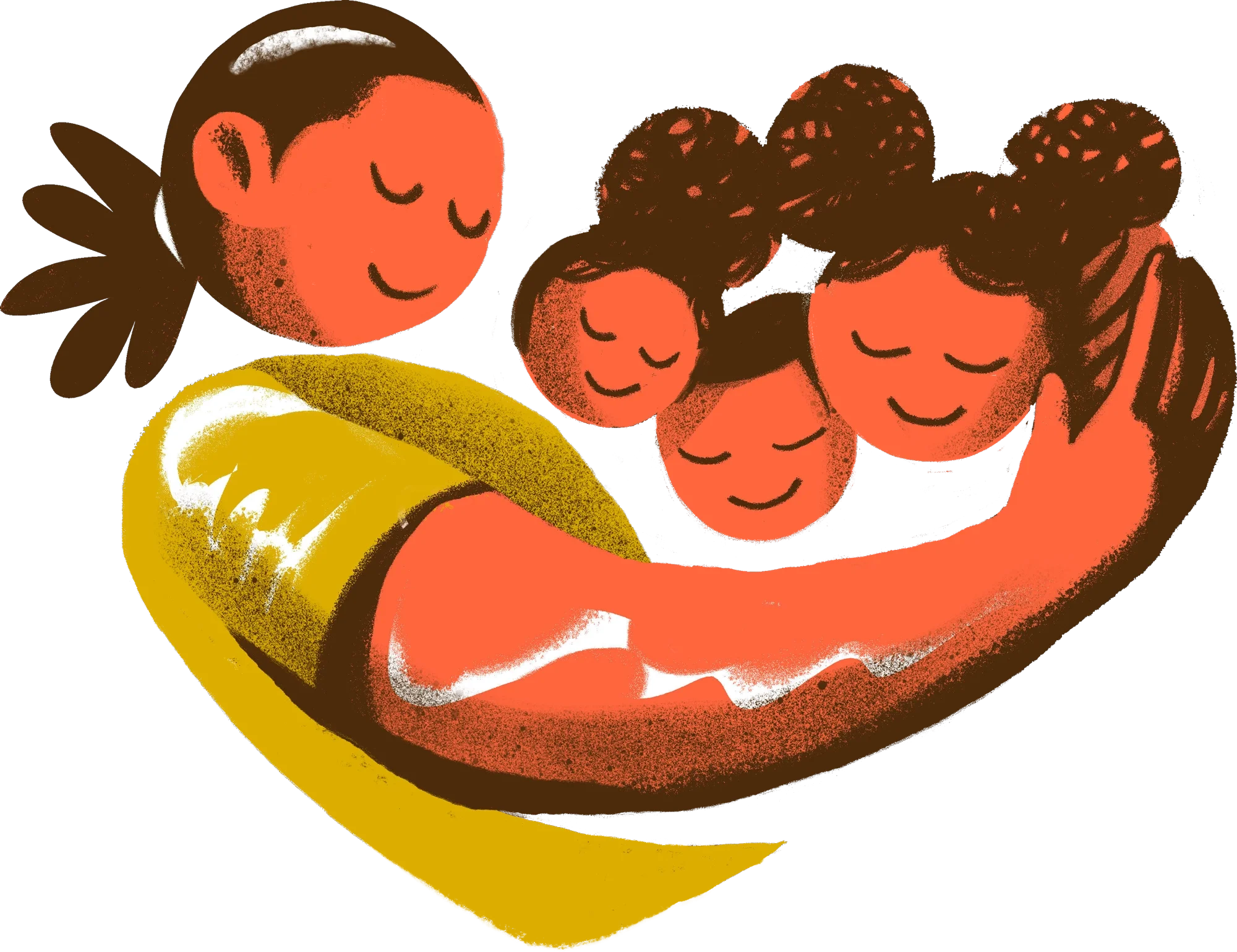
Show up with love
We all make mistakes—whether we mean to or not. And sometimes, that hurts the people around us. Don’t just let relationships fizzle. Find ways to make things right: sorry is a start.
We’re in this together
We show up for our neighbors—because we’d want them to do the same. Watching out for each other’s well-being and offering support when it’s needed creates communities we all feel good in.
Repair is Community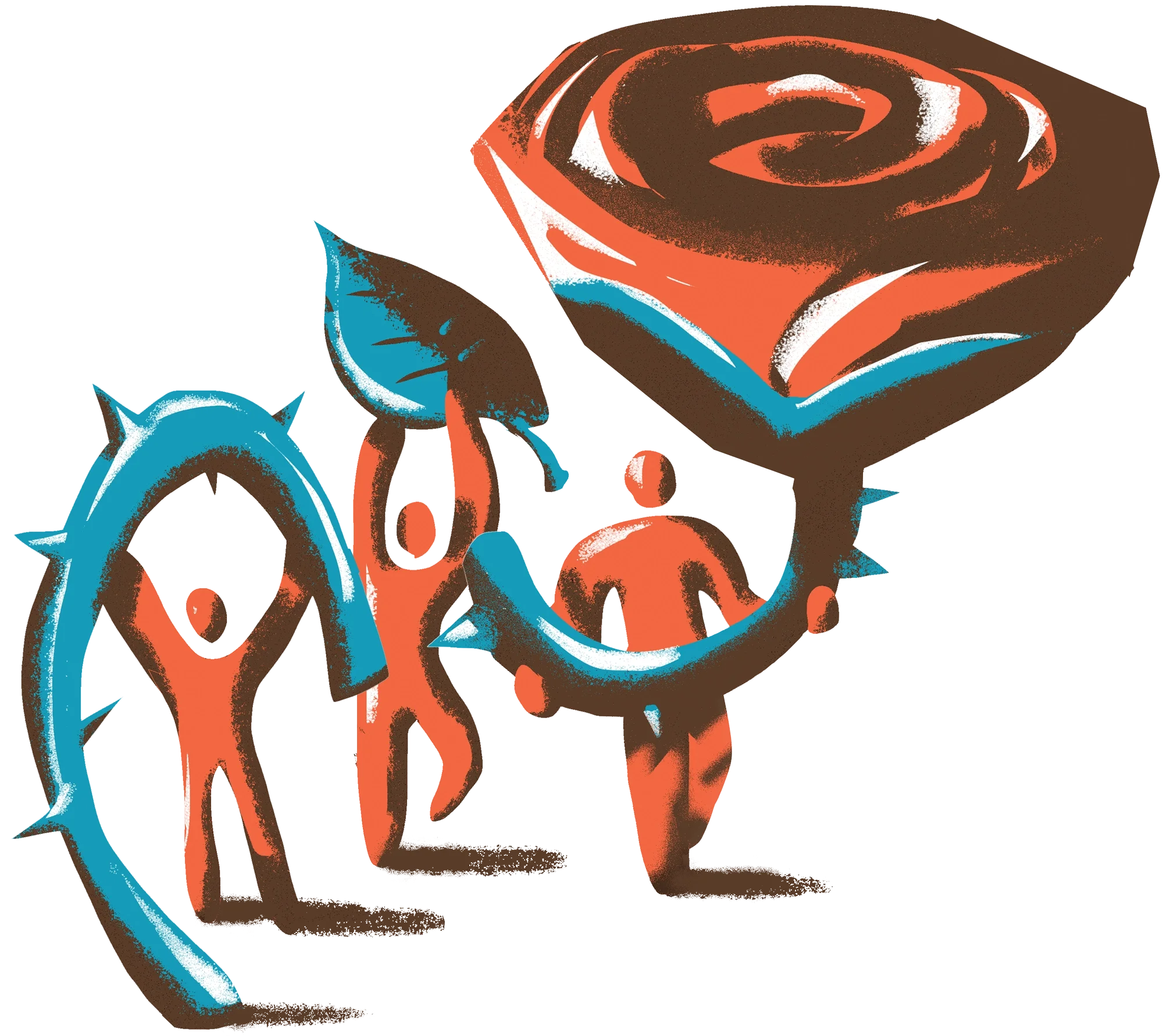
► Repair is actionWhat better time than now?
Taking responsibility for the impact of our actions is what makes us good community members. It brings us closer to those we love, creates safer communities, and makes the world a healthier place for everyone to live in.
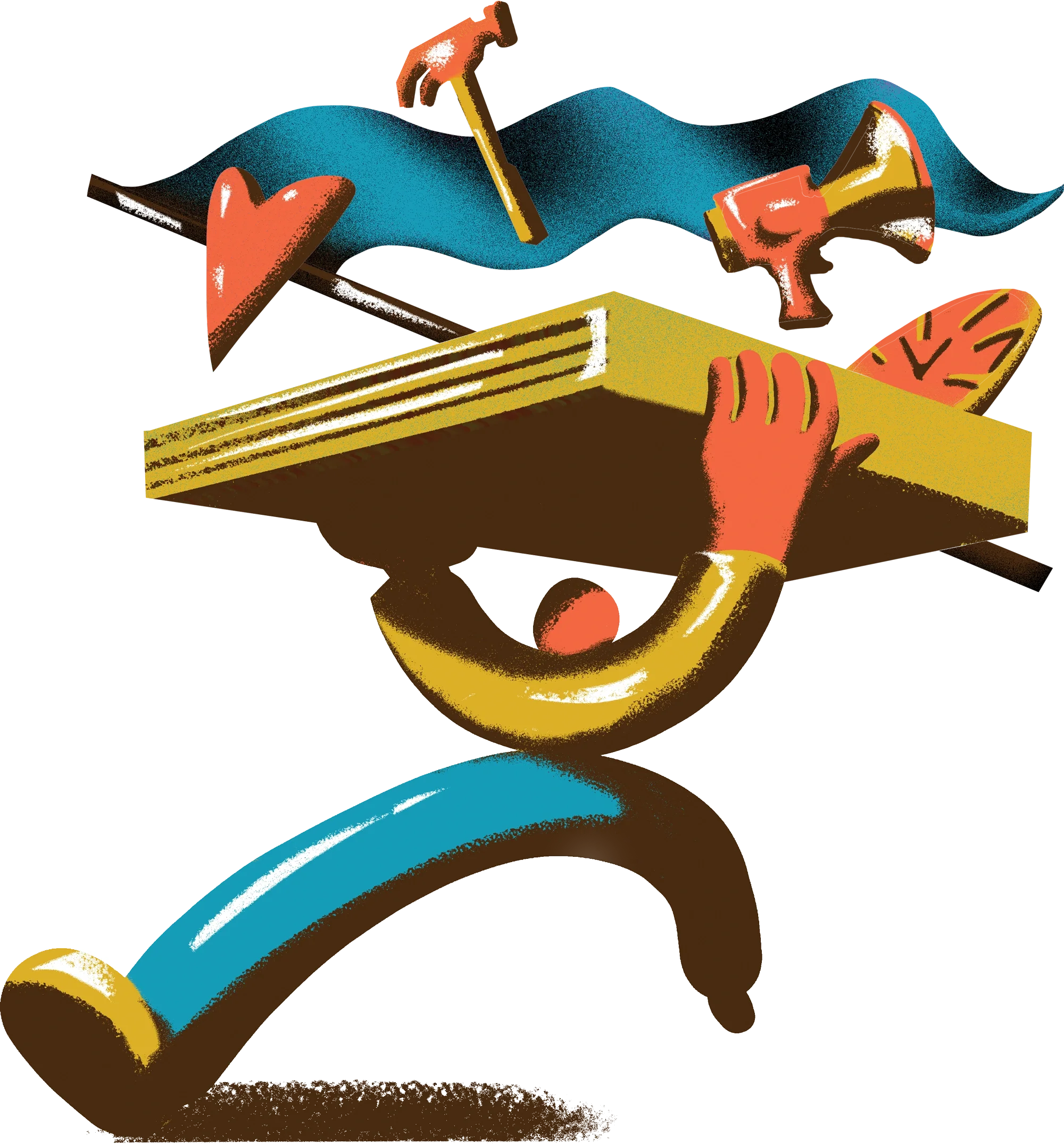
Compassion, not blameRepair isn’t about pointing fingers. It’s about taking care of one another—by practicing accountability and following through with our values.