Estimated time15 Minutes
We’re exposed to so much bad news every day that it’s easy to forget that real progress is all around us as well.
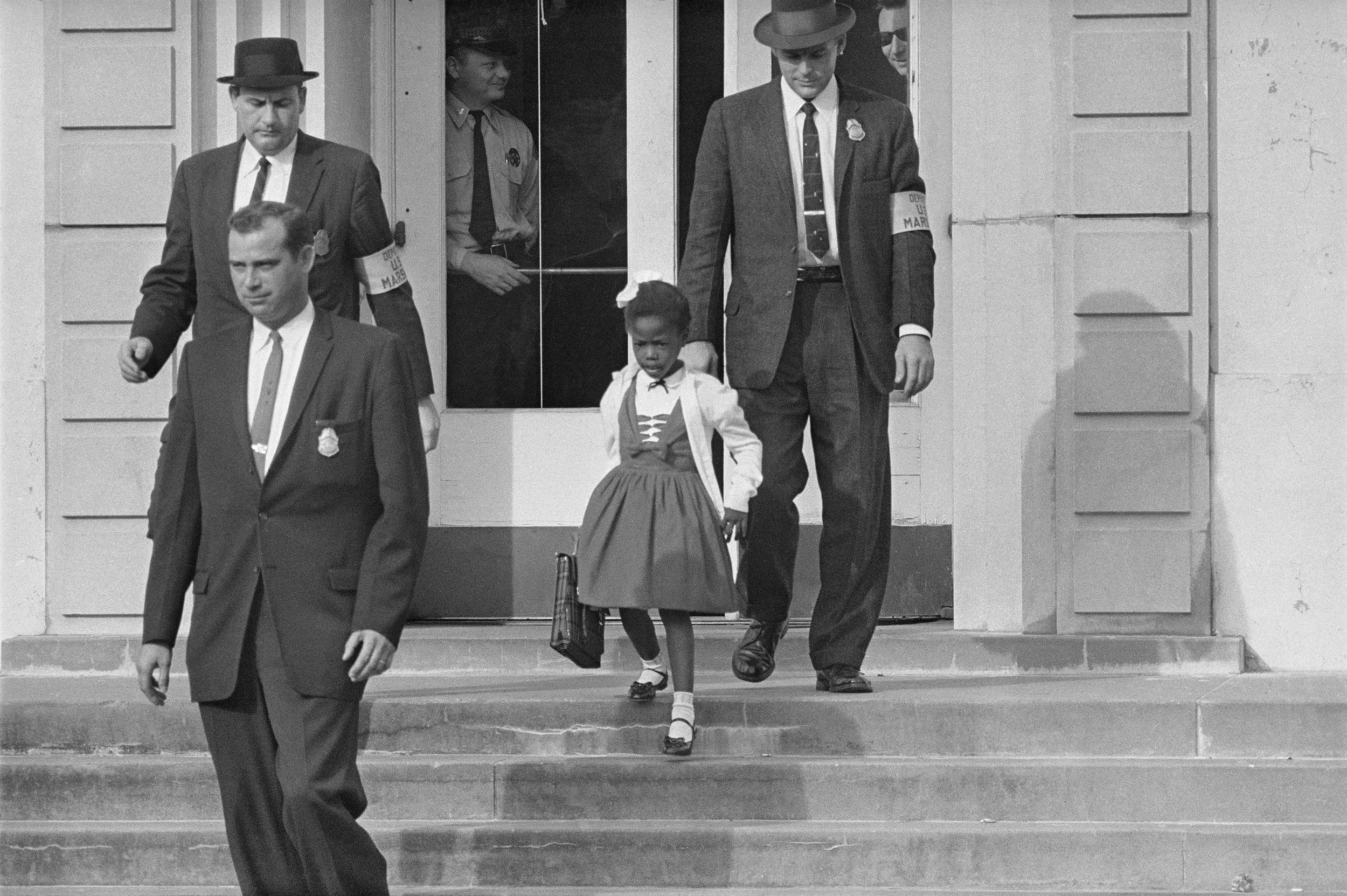
In 1960, six-year-old Ruby Bridges became the first Black child to integrate an all-white elementary school in New Orleans after the Supreme Court ruled that school segregation was unconstitutional. Even after the ruling passed, the states resisted. The school board in New Orleans decided to administer an exam that students would have to pass to be able to attend their schools. The intention was clear—allow Black kids to attend, but make it as hard as possible for them to get in.
When Ruby passed the exam and began attending school, her white classmates’ community protested so aggressively that Ruby had to be escorted to school each day by federal marshals just to stay safe.
Read the article on WomensHistory.org
As you read, reflect on these questions:
In what ways is American society implicitly trying to maintain racial inequality through laws and policies?
What inequalities exist today that future generations may one day look back on with disbelief?
What role do ordinary people play in pushing society toward progress?
Ruby Bridges herself is still alive and advocating for change. What has changed and what still needs repair?
In 2011, Ruby Bridges visited Barack Obama in the White House. When Ruby spoke with Barack, he said to her, “I think it’s fair to say that if it hadn’t been for your guys, I might not be here today.” Every act of repair, whether personal, local and federal, ripples out and betters the whole.