Estimated time4 Minutes
We’re exposed to so much bad news every day that it’s easy to forget that real progress is all around us as well.
We’re exposed to so much bad news every day that it’s easy to forget that real progress is all around us as well. The idea of something as lofty as reparations can feel like a pipe dream and we can lose hope that it’s possible at all. But it is, it’s been done several times before in different parts of the world, and it will inevitably be done again.
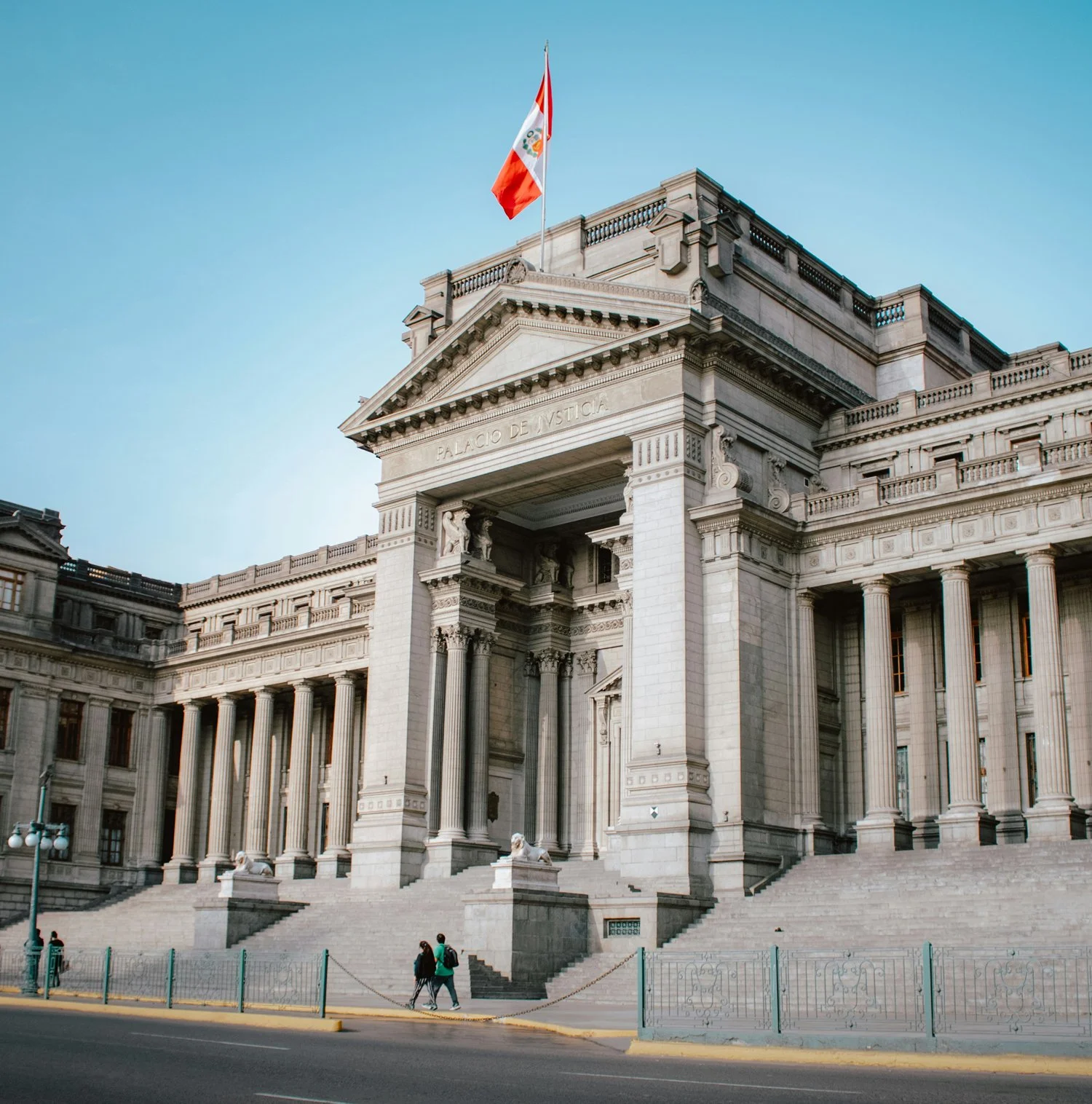
Reparations have been attempted around the world after periods of violence, dictatorship, and colonization. This article explores some of the lessons that emerged from Peru’s efforts at repair. And reminds us that while reparations may seem far off in the US, “The rest of the world knows that reparations is common sense and in many cases have made it commonplace.”
“The rest of the world knows that reparations are common sense and in many cases have made it commonplace.”
Read the article on Medium
One of the important reminders in this piece is that repair is rarely straight-forward and it sometimes falls short even when it’s attempted. But imperfect repair is still better than denial. A society willing to acknowledge harm and attempt repair is infinitely more healthy than one that insists nothing happened at all.
As you read, reflect on these questions:
What’s made possible when harm is publicly acknowledged instead of denied or ignored?
What makes repair feel meaningful to people and communities? Is acknowledgment ever enough on its own?
Why do some societies resist reparations even generations after the initial harm occurred?
Is repair still helpful even if it’s left incomplete?
What would it look like for your own community or country to seriously invest in repair?
Repair does not erase the past. But refusing repair often guarantees that the past continues shaping the future.